
Use a simple seven-step routine to plan meals, shop from what you have, store food clearly, handle leftovers safely, and waste less without chasing perfection.
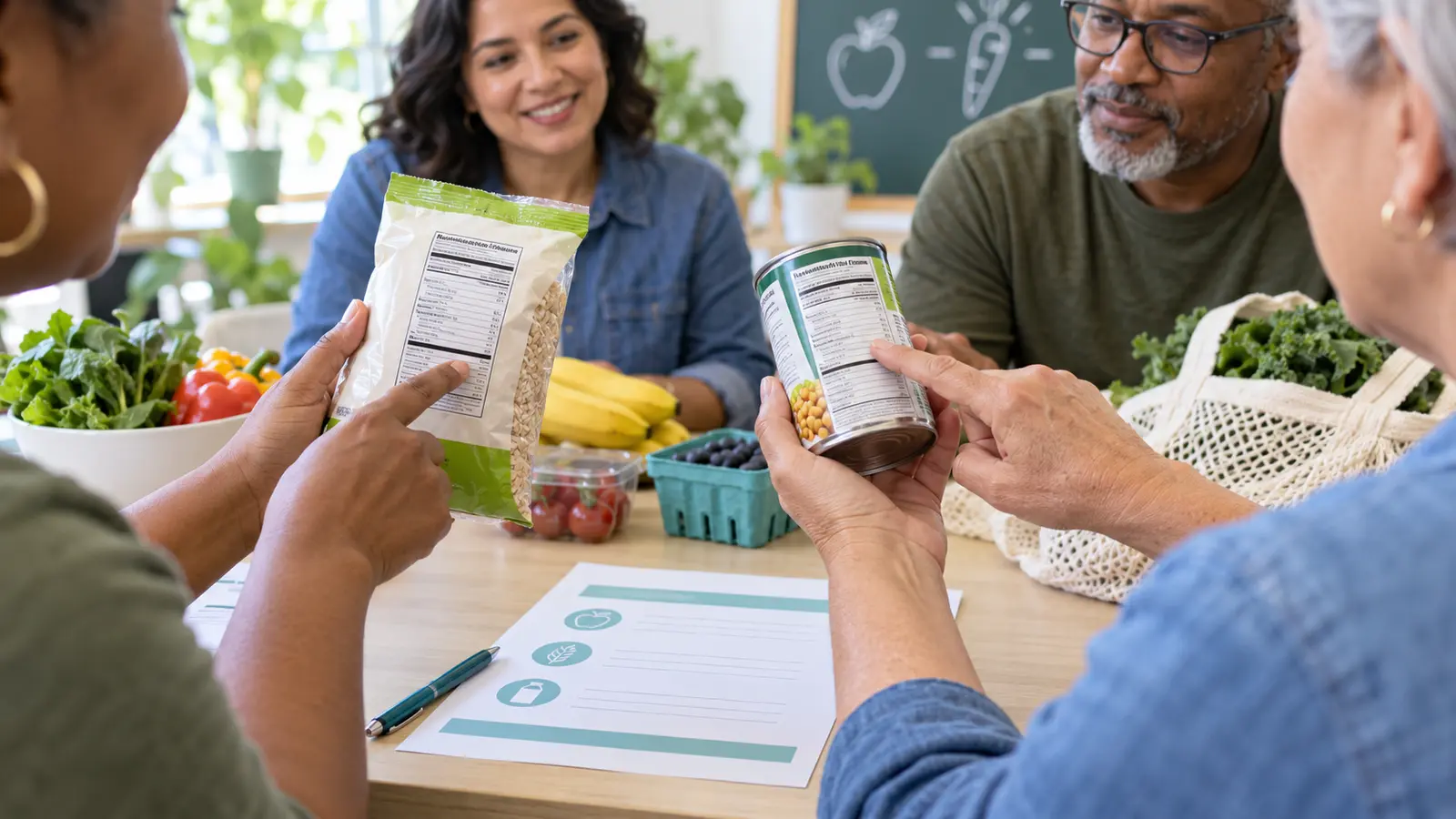
Reducing food waste does not require a perfect meal plan, a spotless refrigerator, or unfamiliar recipes. It starts with noticing what your household already has and building a few repeatable habits around buying, storing, serving, and saving food.
This guide explains how to reduce food waste at home in seven practical steps. It is designed for different household sizes, schedules, budgets, food traditions, and cooking abilities. Start with one change that removes friction, then adjust it after a week.
Before planning meals or shopping, look through the refrigerator, freezer, and pantry. Write down foods that need attention first: opened packages, ripe produce, cooked leftovers, dairy nearing its date, or frozen portions that have been easy to overlook.
Create a visible “use first” area in the refrigerator. A shallow bin or one eye-level shelf can keep priority foods from disappearing behind newer purchases. For the freezer, keep a simple list on the door and cross items off as they are used.
The goal is not a full inventory. It is to find enough usable food to shape the next few meals. The EPA’s home food-waste guidance recommends checking what you already have and planning meals around food that needs to be used.
Count the meals your household is likely to eat at home. Consider work, school, appointments, travel, community activities, and one flexible night for leftovers or pantry food. A plan based on an ideal week can lead to overbuying when real life changes.
Choose a few meals that share ingredients. Greens might appear in a salad, sandwiches, and a soup. Roasted vegetables can become a side dish and then a filling for another meal. Shared ingredients make it easier to use an entire package without serving the same dish repeatedly.
If meal planning is new, plan only three dinners and two lunches. The Healthy Living program page and UWP’s guide to eating well on a budget offer additional ideas for practical household planning.
A list that says “apples” leaves an important question unanswered. A list that says “four apples for snacks” ties the purchase to a real use. Note quantities when it helps, and be cautious with bulk deals unless you have a storage or sharing plan.
Shop your kitchen before shopping the store. Take a quick photo of the refrigerator or pantry if that is easier than writing every item down. When possible, choose package sizes that fit the number of meals you expect to prepare.
Buying less is not the only strategy. Some households need to shop infrequently because of transportation, mobility, work, or access. In that case, prioritize foods that store well, divide large packages, and freeze portions early rather than waiting until they are almost unusable.
Label leftovers and freezer containers with the food and date. Clear containers can help, but any container works when it is consistently labeled. Put newer items behind older ones so the food with less time remaining stays visible.
Keep the refrigerator at 40°F or below and follow food-safety guidance for perishables. The EPA notes that refrigerator doors are warmer than lower shelves and recommends freezing food you will not use in time. Its guidance also explains how humidity drawers and separation of ethylene-producing fruits can affect produce life.
Storage guidance varies by food. When you are unsure, consult a current source such as the federal FoodKeeper information linked from the EPA page rather than relying on smell alone for safety decisions.
Decide when leftovers will be eaten before putting them away. Label a lunch portion, schedule a leftover night, or freeze a serving. A plan is more useful than hoping someone will remember an unlabeled container.
Cool and store perishable food promptly. If food has been left out too long, stored incorrectly, or shows signs of spoilage, do not use waste prevention as a reason to take a safety risk. UWP’s home food-safety checklist covers separation, temperature control, chilling, and safer handling in more detail.
Serve modest first portions and make seconds easy. This respects different appetites and keeps untouched food available for another meal. Leftovers can also become ingredients: roasted vegetables in eggs, cooked grains in a bowl, or bread in croutons, when the food remains safe to use.
For one week, record only the foods your household discards most often. A short list such as “salad greens, bread, cooked rice” is enough. Then choose one fix for the most common item.
Review the pattern after two weeks. Keep the change if it helped. If it did not, try a different system. A household routine should make food easier to use, not create another demanding tracking project.
Preventing edible food from becoming surplus comes first. When there is still extra food, safe and untouched items may sometimes be shared or donated through an organization that has confirmed acceptance rules. Never assume a pantry or community group can accept home-prepared meals, opened packages, refrigerated food, or food past its policy date. Contact the organization first.
Composting can keep unavoidable scraps out of the trash where a suitable local option exists, but it does not replace buying and preparing appropriate amounts. Follow local guidance about accepted materials, collection, and contamination.
Organizations interested in community education can review the EPA’s home and community toolkits and explore UWP’s Community Outreach, Resources, and Partnerships pages. Those links describe ways to learn and connect; they do not indicate that UWP currently operates a food-recovery or composting service.
Small systems matter because they can survive busy weeks. If several people share the kitchen, agree on one visible routine and keep instructions simple.
Start by checking what you already have and creating a visible use-first area. Then plan one or two meals around those foods. This combines awareness with a specific next use.
Not always. Date labels can have different meanings, and safety depends on the food, storage, and handling. Use current USDA or FDA guidance for the specific product, and discard food when safe storage is uncertain.
It depends on the food. The EPA advises waiting to wash berries, cherries, and grapes until you are ready to eat them because added moisture can encourage mold. Follow produce-specific storage guidance.
Many breads, cooked grains, soups, sauces, sliced fruit, meats, and prepared portions can be frozen. Use freezer-safe containers, label contents and dates, and consult food-safety guidance for safe cooling, storage, and reheating.
Children can help check the use-first shelf, choose a meal that uses ripe produce, label containers, or select a realistic snack portion. Adults should handle food-safety decisions and age-appropriate kitchen supervision.
No. Prevention keeps edible food from becoming waste. Composting is a management option for scraps or food that cannot be eaten. Both can be useful, but prevention comes first.
Use practical demonstrations, plain-language materials, culturally relevant examples, and a small behavior goal. Confirm local donation and compost rules before distributing advice. EPA provides a community social-marketing toolkit for this purpose.
This article provides general educational information. It is not medical, nutrition, legal, or food-safety advice for a specific household. When safety is uncertain, consult current public-health guidance or a qualified professional.