A plain-language flu prevention plan covering seasonal vaccination, everyday habits, cleaner air, staying home when sick, and protecting higher-risk neighbors.
The short answer: the most useful flu-prevention plan combines an annual flu vaccine with everyday steps that reduce exposure and limit spread. No single action removes all risk, and protection can vary by season, but several practical layers are easier to sustain than a complicated routine.
Influenza is a contagious respiratory illness. A prevention plan is most useful when it is prepared before someone in the household, school, workplace, or community group becomes ill. The steps below are based on current public-health guidance and are meant for general education.
The Centers for Disease Control and Prevention (CDC) flu-prevention guidance says yearly vaccination is the first and most important action for reducing flu risk and potentially serious outcomes. CDC recommends seasonal vaccination for everyone age 6 months and older, with rare exceptions, and notes that people at higher risk of complications particularly benefit from timely vaccination.
Vaccination does not guarantee that a person will avoid every infection. The viruses circulating in a community and how closely they match the vaccine can differ from season to season. Even so, CDC reports that vaccination can reduce illness and may reduce severity when vaccinated people still become sick. If you have questions about which vaccine is appropriate, timing, allergies, pregnancy, or a health condition, ask a qualified healthcare professional. UWP does not provide clinical care or individualized vaccine advice.
These habits reinforce one another. The CDC's healthy habits to prevent flu also recommends avoiding close contact with people who are sick and cleaning frequently touched surfaces as part of a broader plan. For a focused refresher, see UWP's step-by-step handwashing guide.
Schools, workplaces, faith groups, and community organizations can reduce confusion by deciding in advance how they will respond. Keep soap, tissues, paper towels, and hand sanitizer available where appropriate. Review ventilation and filtration practices. Make messages easy to understand and offer them in formats that work for the people who use the space.
Choose a clear point of contact for schedule changes. Avoid policies that pressure visibly ill people to attend. For events, make it easy to transfer a registration or receive materials later. These are practical planning steps, not guarantees that transmission will not occur.
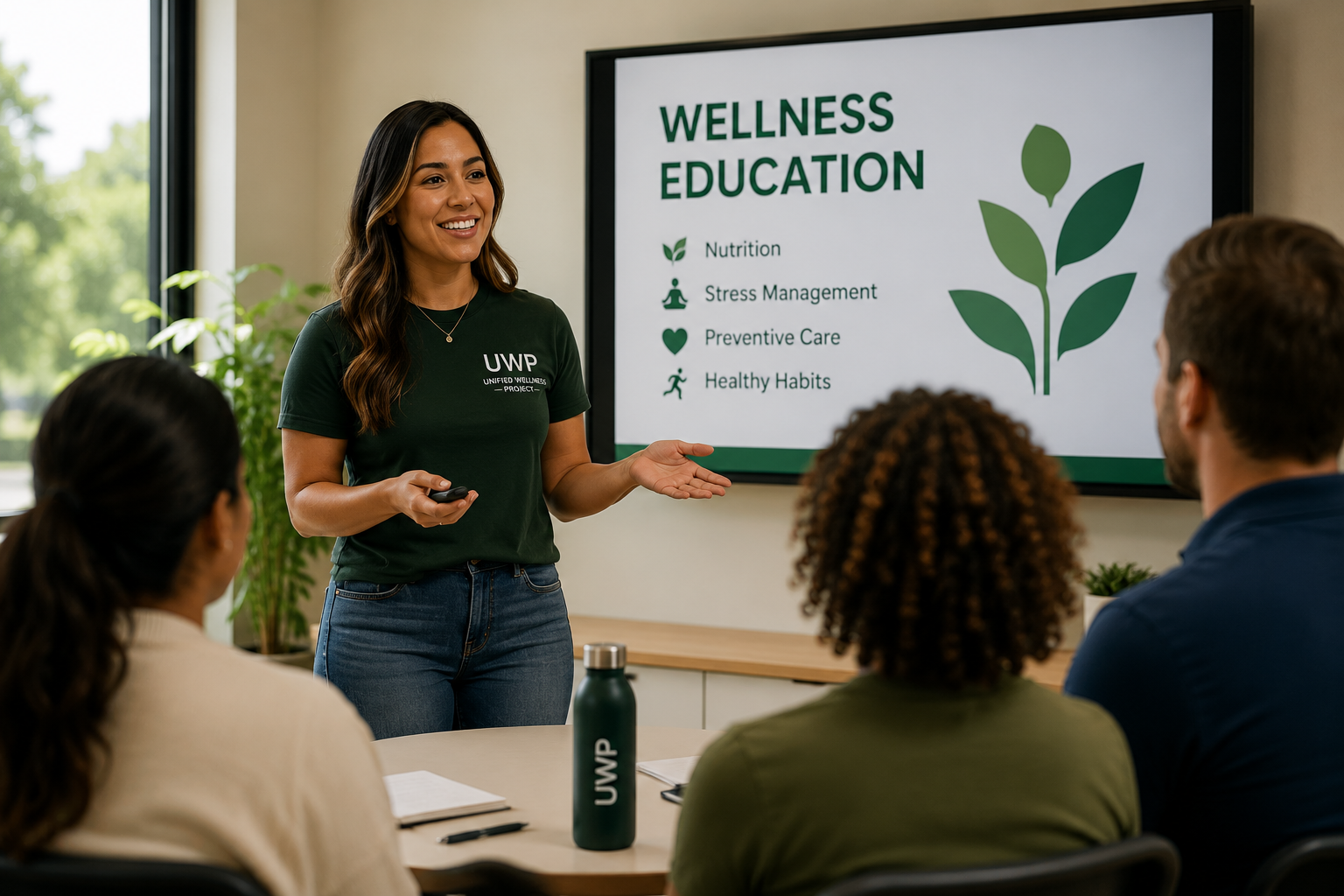
Organizations developing wellness materials can use UWP's Wellness Education program overview and community wellness resources for additional planning context.
Current CDC guidance says a person with flu should stay home until, for at least 24 hours, both their symptoms are improving overall and they have not had a fever without using fever-reducing medicine. After returning to normal activities, additional precautions may still help protect others. Circumstances vary, so follow current public-health guidance and any instructions from a healthcare professional or local setting.
A mask is an additional prevention option. CDC notes that a mask worn by a person with an infection can reduce spread to others and can also help protect a wearer from infectious particles. Fit, consistency, setting, and the type of mask influence how much protection it provides.
Some people have a higher chance of serious flu complications, including young children, pregnant people, older adults, and people with certain chronic conditions. Before flu season, identify who will contact a healthcare professional if symptoms begin, how prescriptions would be picked up, and how food or other essentials could be delivered without close contact.
CDC explains that prescription antiviral medicines work best when started early, especially for people at higher risk or those who are very sick. Antivirals are not over-the-counter medicines and require clinical guidance. Seek urgent help for emergency warning signs or rapidly worsening symptoms rather than relying on an online checklist.
For broader habits that support everyday wellbeing, explore UWP's Healthy Living program and the Community Wellness Journal.
CDC identifies seasonal flu vaccination as the most important prevention action. Everyday measures such as staying home when sick, washing hands, covering coughs, improving shared air, and avoiding close contact add useful layers.
Handwashing can help reduce the spread of germs, but it is not a complete substitute for vaccination or other respiratory-virus precautions. Use it as one part of a layered plan.
CDC says to stay home until symptoms are improving overall and there has been no fever for at least 24 hours without fever-reducing medicine. Follow current guidance and clinical advice for individual circumstances.
People at higher risk of complications should contact a healthcare professional early when flu symptoms begin because prescription antiviral treatment works best when started promptly. Seek urgent care for emergency warning signs or severe or worsening symptoms.
Educational note: This article provides general wellness information, not medical advice, diagnosis, or treatment. Individual risks and recommendations vary. Consult a qualified healthcare professional for personal guidance.
Next step: Use this checklist to make one realistic change this week, then visit Get Involved to learn how UWP supports accessible wellness education and community participation.