Plan an accessible, educational community health fair with clear goals, exhibitor standards, privacy safeguards, volunteer roles, and useful follow-up.
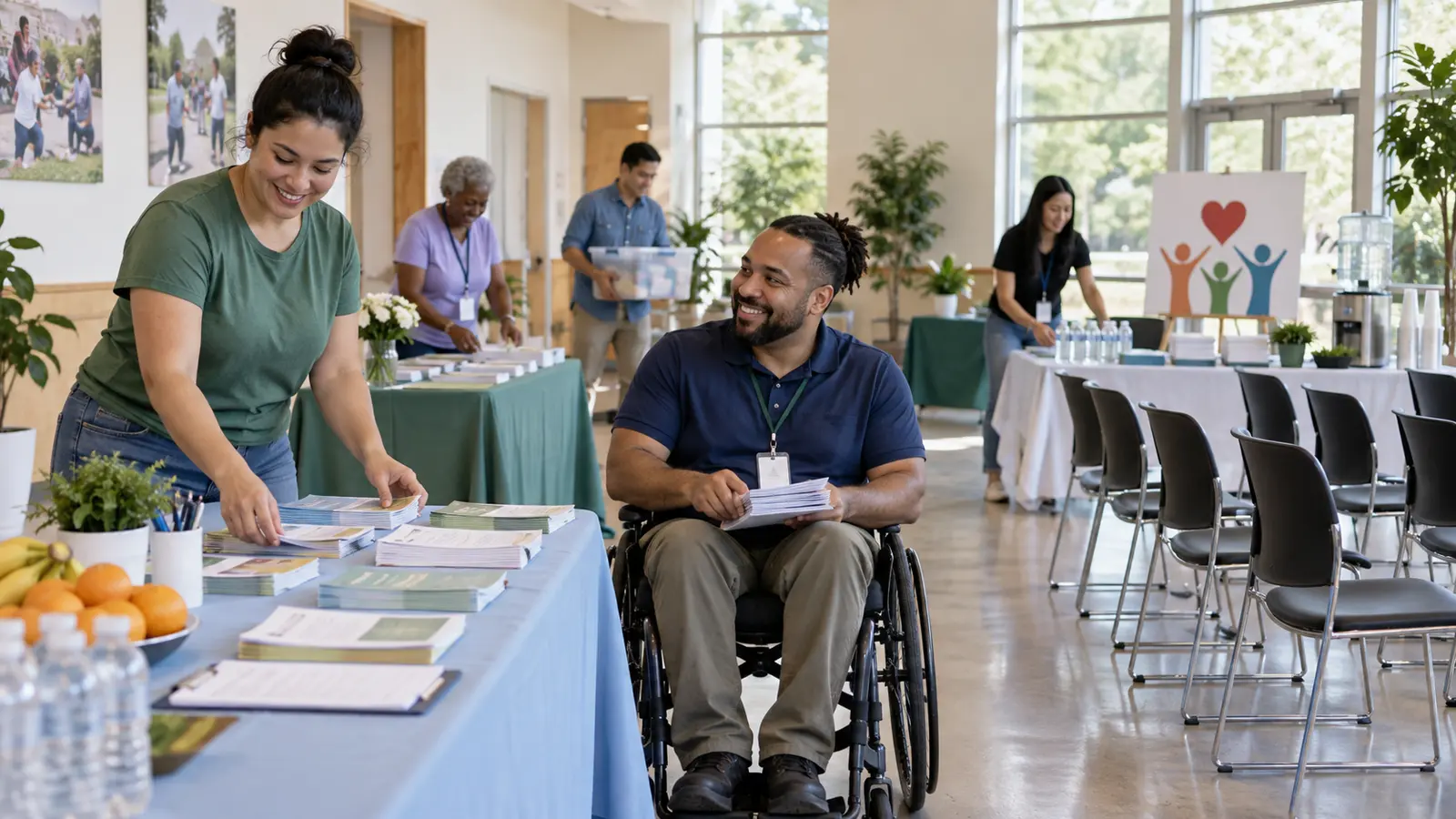
A community health fair can be a useful place to share trusted information, introduce local resources, and help neighbors ask better questions. It can also become confusing or unsafe when organizers begin with a list of booths instead of a clear purpose, accessible plan, and realistic boundaries.
This guide explains how to organize a community health fair as an educational community event. It does not assume that screenings, clinical services, or UWP programs will be available. Any clinical activity requires qualified providers, appropriate consent, privacy practices, insurance, and site-specific oversight.
Start with a short purpose statement, such as helping families find reliable food, movement, sleep, and local resource information. A fair cannot address every wellness topic for every person.
Use a community listening process before choosing themes. UWP’s community needs assessment guide can help organizers gather input without treating one conversation as representative of the whole community.
Write down what the event will not do. For example: it will not diagnose conditions, promise eligibility, replace medical care, collect unnecessary health information, or endorse every exhibitor.
Assign an event lead and named owners for site logistics, accessibility, outreach, exhibitor coordination, volunteers, emergency planning, communications, and evaluation. Every role needs a backup.
Create a shared decision log, task list, and contact sheet. Decide who can approve changes, spending, public messages, and exhibitors. A health fair can involve sensitive topics, so unclear authority creates last-minute risks.
Set check-in dates based on complexity. A small information event needs a simpler timeline than one involving food, demonstrations, mobile units, or regulated services.
Evaluate the whole trip, not just the meeting room:
Visit at the same time of day the event will occur. A route that works when a building is empty may fail when tables, lines, cords, and deliveries fill the space.
Offer more than one way to get information and request accommodations. Use plain language, descriptive links, readable contrast, captions for video, and text alternatives for images. State the date, time, address, transportation information, cost, languages, smoke policy, and how to ask questions.
The U.S. Department of Justice’s effective communication guidance explains that people with disabilities may need different aids or services. Determine needs through a real conversation rather than guessing.
Use UWP’s accessible community event guide as a planning companion. Include accessibility in the budget and timeline, not as a final-week add-on.
Ask each potential exhibitor what information, activity, or service they propose; who will staff it; what qualifications apply; what data they want to collect; what equipment they will bring; and how they will communicate accessibly.
Create a participation agreement covering educational purpose, prohibited claims, privacy, photography, sales or fundraising, setup, power, accessibility, food and equipment safety, emergency contacts, and the organizer’s right to remove misleading or unsafe material.
Listing an organization does not guarantee its services, endorse every claim, or create a partnership. Describe the relationship accurately.
An educational table can share reliable information and questions to ask a professional. A screening or clinical service is different: it may require licensed personnel, validated equipment, informed consent, privacy safeguards, result communication, follow-up, waste handling, and emergency procedures.
Do not add blood pressure checks, vaccinations, testing, or other clinical activities simply because someone offers. Require the responsible organization to document its authority and process, and have qualified counsel or risk professionals review the plan.
If individual results are provided, attendees need a clear explanation of what the result can and cannot mean, where to ask questions, and when to seek urgent help. A screening is not a diagnosis.
Ask exhibitors to use short headings, common words, descriptive links, and a clear next step. The CDC’s plain-language guidance recommends putting the most important message first, using active voice, and breaking information into manageable sections.
Review materials before the event. Check dates, source organizations, reading burden, accessibility, and whether claims match current primary guidance. Remove outdated statistics, unexplained acronyms, and promises of outcomes.
Provide a route to UWP’s Resources hub and Community Wellness Journal when relevant, without implying that general education is individualized care.
Collect only information needed to operate the event. A general registration form rarely needs a diagnosis, medication list, insurance status, or detailed health history. Tell people what is optional, how it will be used, who can see it, and when it will be deleted.
Position conversations so people are not required to discuss sensitive concerns in a public line. Do not photograph name tags, forms, test results, or private conversations. Obtain meaningful consent before using identifiable event photos.
Give each volunteer a written role, supervisor, shift, break plan, and boundaries. Useful roles include greeting, wayfinding, room monitoring, accessible materials, setup, cleanup, and evaluation support.
Volunteers should know how to find the event lead, respond to an accommodation request, report a blocked exit, and summon emergency help. They should not interpret results, recommend treatment, promise services, or collect information outside their role.
UWP’s volunteer orientation checklist provides a structure for boundaries, communication, safety, and feedback.
Map entrances, exits, emergency contacts, restrooms, quiet space, drinking water, lost-person procedures, and severe-weather actions. Keep aisles and exits clear. Secure cords, equipment, boxes, and displays.
Confirm who can pause or close the event. For immediate danger, call the appropriate emergency service rather than relying on an event volunteer.
Ask whether participants found information they could use, moved and communicated comfortably, understood next steps, and encountered barriers. Offer an anonymous response option and more than one format.
Do not claim the fair improved health outcomes unless an appropriate evaluation supports that conclusion. Record corrections, missing resources, and accessibility issues, then assign follow-up owners.
Explore UWP’s Wellness Education, Community Outreach, and Partnerships page for mission-aligned ways to support clear, accessible wellness information.
Define a focused purpose and audience, form a planning team, choose an accessible site, set exhibitor requirements, review materials, train volunteers, plan emergencies, and evaluate usefulness afterward.
It depends on the site, number of organizations, permits, accessibility needs, and whether regulated services are involved. Build the timeline from confirmed requirements instead of one universal number.
Include information and activities that match documented needs. Every offering should have a responsible organization, accurate description, accessible format, and clear next step.
Do not assume they can. Screenings require qualified providers, appropriate authority, validated procedures, privacy protections, consent, result communication, and follow-up.
Plan accessible transportation and routes, restrooms, seating, communication, registration, materials, language access, quiet space, accommodation requests, and digital information from the beginning.
Collect only what is needed to operate the event. Avoid unnecessary diagnoses, insurance details, or medical histories.
Measure whether people found useful information, participated accessibly, understood next steps, and encountered barriers. Document unanswered questions and assign follow-up rather than relying only on attendance.
This article provides general educational event-planning information, not medical, legal, privacy, insurance, or regulatory advice. Use qualified professionals for clinical services and site-specific requirements.