Community-led • Accessible • Nonclinical
Faith-Based Wellness Programs in Virginia
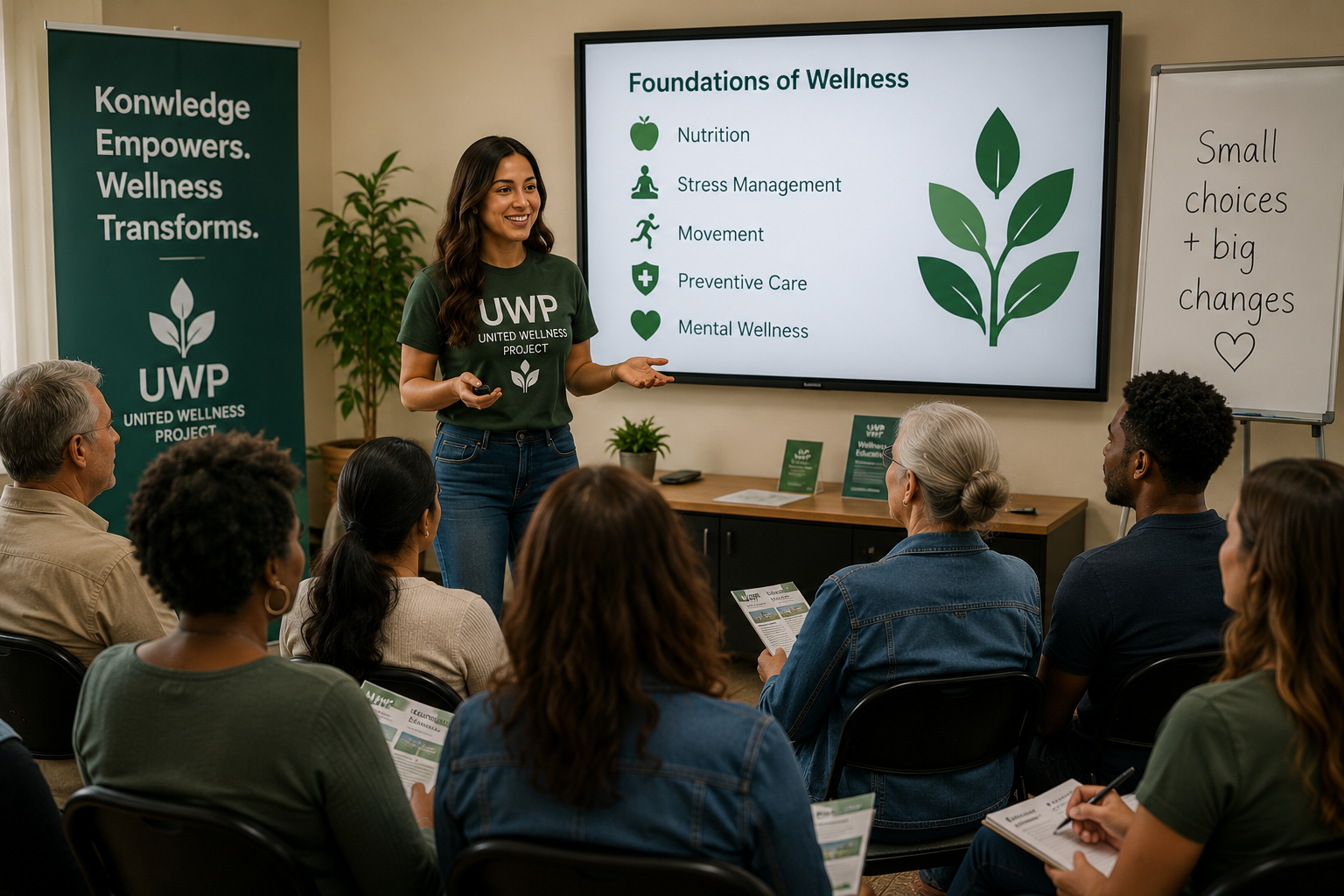
Faith communities often know the rhythms, strengths, and practical barriers of the people they serve. Unified Wellness Project invites Virginia houses of worship and faith-based organizations to explore accessible wellness education built around community priorities, trustworthy information, and a clearly defined educational role.
Unified Wellness Project is a wellness-education nonprofit. It is not a medical clinic, counseling practice, emergency service, or substitute for qualified care.
A practical community role
Build on trust without stretching beyond education
Faith-based and neighborhood organizations can be familiar gathering places, volunteer networks, and trusted sources of local knowledge. The HHS Center for Faith specifically supports faith-based entities, community organizations, and houses of worship in efforts that strengthen families and support well-being.
Trust also creates responsibility. A program should be clear about who is leading it, what information will be offered, whether participation is voluntary, how privacy will be protected, and where people can go when a question requires clinical, legal, crisis, or social-service expertise. UWP’s role is educational: helping make practical information easier to understand and connect to community life.
Explore UWP’s Wellness Education and Community Outreach work for the broader mission context.
A seven-stage planning process
Move from a good idea to a responsible first activity
Listen before selecting a topic
Use short conversations, an anonymous question box, a small listening session, or a simple survey. Ask what people want to understand, what keeps them from participating, and which formats feel comfortable. Do not ask people to disclose diagnoses, medications, immigration status, or other sensitive details that are unnecessary for planning education.
Name the audience and purpose
“Wellness for everyone” is too broad to guide a useful session. A clearer purpose might be helping caregivers locate trustworthy resources, sharing plain-language home-safety information, or introducing realistic ways families can add movement. Define what participants should be able to understand or do afterward without promising a health result.
Set the educational boundary
Decide in writing what the activity will and will not include. Education may explain general guidance, demonstrate how to evaluate a source, or help people navigate public resources. Diagnosis, treatment recommendations, individualized risk assessment, confidential counseling, and emergency response belong with appropriately qualified providers and services.
Plan access with participants
Ask about step-free routes, seating, restrooms, lighting, sound, captions, interpretation, readable materials, food needs, child-care barriers, transportation, technology, and timing. Offer a private way to request accommodations. Avoid assuming that one format works for everyone.
Choose sources and a facilitator
Use current primary guidance from agencies such as CDC, NIH, HHS, USDA, or Virginia public agencies. Match the facilitator’s qualifications to the activity and state those qualifications accurately. A respected community role can support trust, but it does not replace subject-matter competence.
Start with one manageable pilot
Test a single session, resource table, discussion, or short series before building a large calendar. Share the topic, format, access details, voluntary nature, and contact information in advance. Keep attendance and personal information collection to the minimum actually needed.
Review usefulness, access, and next steps
Ask whether the information was understandable, relevant, respectful, and easy to use. Invite suggestions without requesting personal health disclosures. Record what should change before repeating the activity, and distinguish participation counts from actual evidence of benefit.
Topics with a clear fit
Choose education that supports informed everyday decisions
A faith-community wellness activity can focus on practical education rather than clinical services. Possible planning areas include:
- finding and evaluating reliable wellness information;
- healthy-living habits that can be adapted for different abilities and schedules;
- home and community prevention topics from established public sources;
- caregiver resource navigation and community connection;
- accessible event planning and volunteer participation; or
- sharing existing public tools without implying endorsement, diagnosis, or individualized advice.
The HHS Move Your Way community resources, for example, include materials and a playbook organizations can use to communicate about physical activity. A local activity should still be adapted to the audience, physical environment, and accessibility needs.
Browse UWP’s Resources, Healthy Living program, and Community Wellness Journal for additional educational pathways.
Access is part of the program
Make information understandable and participation respectful
Use plain language
Lead with the most important message, explain unfamiliar terms, keep sentences focused, and organize material with headings and lists. The CDC plain-language checklist recommends writing for the audience and making information easy to find and use.
Offer more than one way to participate
Consider spoken and written information, accessible electronic copies, captions, large print, interpretation, quiet seating, breaks, and a way to ask questions privately. DOJ guidance explains that effective communication depends on the nature and complexity of the information and the person’s usual communication method.
Respect belief and privacy
State whether an activity includes religious content and avoid making wellness education conditional on participation in worship, prayer, testimony, or disclosure. Explain what information is collected, who can see it, and how long it will be kept.
Review the DOJ effective-communication guidance and UWP’s Accessibility commitment while planning. Organizations should obtain qualified legal guidance for their own obligations and circumstances.
A useful first inquiry
Bring a defined community question—not a finished program
A strong partnership conversation can begin with five pieces of information: the audience, the question people are asking, the intended educational purpose, known access needs, and the people responsible for decisions. It is also helpful to name the space, preferred format, possible timing, and any referral or safety concerns already identified.
UWP can review whether an idea aligns with its nonprofit mission and educational scope. Contact does not guarantee a program, event date, funding arrangement, facilitator, or partnership. If the idea is outside UWP’s role, a public resource or another type of qualified organization may be the more appropriate next step.
Frequently asked questions
Faith-based wellness program FAQ
What is a faith-based wellness program?
It is an organized wellness effort connected to a faith-based organization or house of worship. Programs vary widely. UWP’s potential role is limited to accessible, nonclinical education and community-resource connection.
How do you start a wellness program at a church or house of worship?
Begin by listening to members and neighbors, defining one educational purpose, setting scope and privacy boundaries, planning accessibility, choosing trustworthy sources, and testing one manageable activity before expanding.
What topics can a church wellness program cover?
Topics may include health literacy, everyday healthy-living education, prevention information, caregiver resources, social connection, or community access. Choose topics based on community input and reliable sources, and refer individualized medical questions to qualified professionals.
How can faith communities make wellness activities accessible?
Ask participants what they need and plan for physical access, effective communication, readable materials, captions or interpretation, transportation, timing, sensory needs, and multiple ways to take part. Avoid waiting until registration closes to discuss accommodations.
Should participation be voluntary?
Educational activities are generally more respectful when people understand the purpose and can choose whether to participate without pressure. An organization should seek appropriate legal or policy guidance for its own setting and any activity that collects information or provides services.
Can a faith-based organization use federal wellness materials?
Many agencies provide public educational materials, but each resource may have its own instructions for attribution, modification, logos, and use. Read the source’s terms and keep the original guidance and limitations intact.
Can a Virginia faith community partner with Unified Wellness Project?
A faith-based or community organization may contact UWP to discuss a mission-aligned educational or outreach idea. UWP can review the audience, need, access plan, roles, timing, and fit. An inquiry does not guarantee availability or a formal partnership.
Start with the community question
Explore an accessible, evidence-informed education idea
Share who you hope to reach, what people want to understand, and the access needs you already know. UWP can help determine whether a focused educational conversation is a reasonable next step.