A practical guide to choosing a trustworthy volunteer opportunity that fits your time, abilities, boundaries, interests, and community priorities.
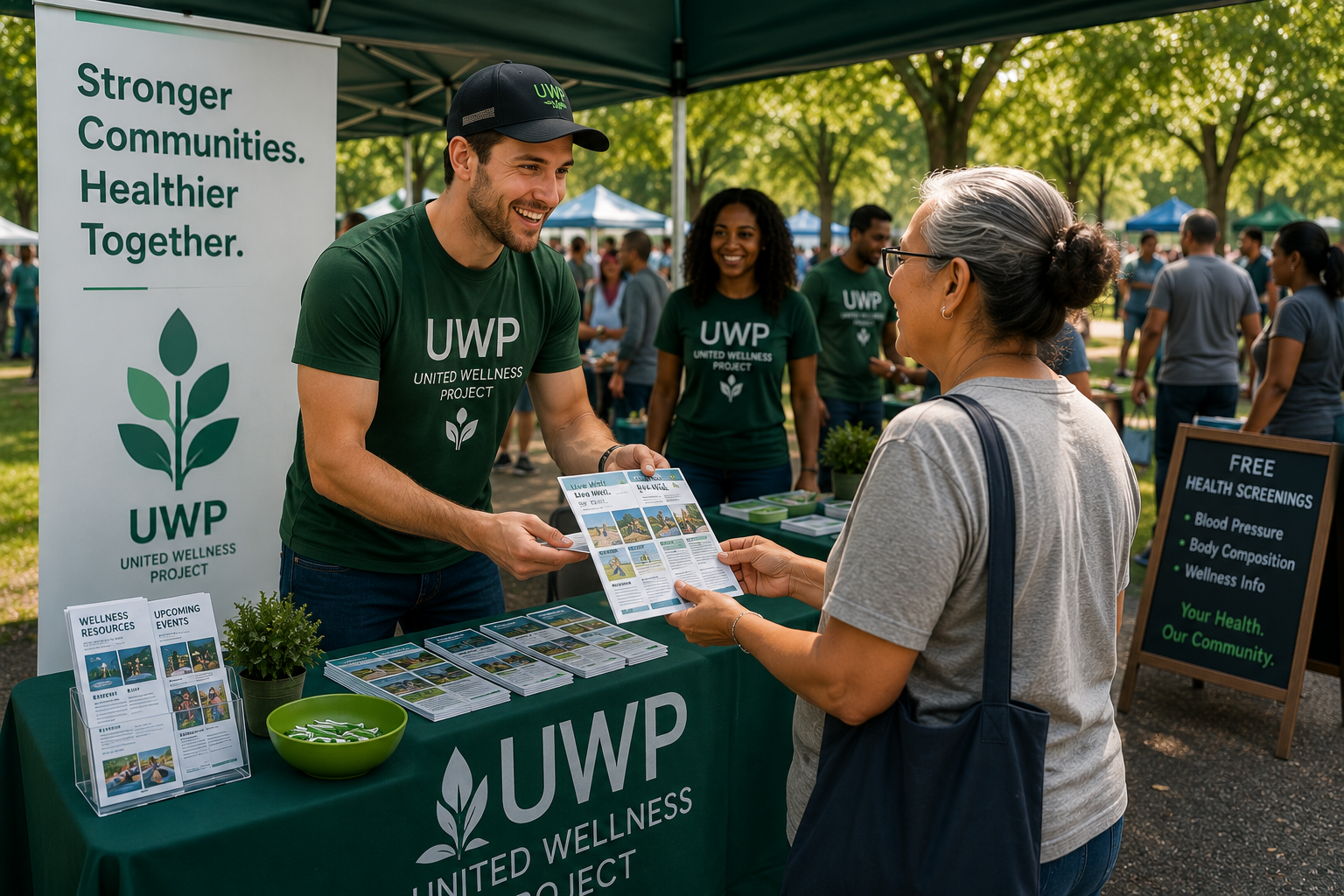
Volunteering can begin with a simple question: “What can I reliably offer?” You do not need unlimited time, specialized credentials, or the ability to make a long commitment. The most useful role is often one that matches a real community need and is sustainable for you.
Before choosing a role, learn what local organizations and residents say is needed. Useful service might involve event setup, transportation, phone calls, translation, meal delivery, administrative help, fundraising, mentoring, skilled trades, accessibility review, or simply showing up consistently.
A trustworthy organization should be able to explain the purpose of the work, who benefits, how volunteers are prepared, and who provides supervision.
Be realistic about travel, caregiving, work, recovery, and rest. One dependable hour may be more helpful than agreeing to a large commitment you cannot maintain. Ask whether the role is one-time, seasonal, remote, on-call, or recurring.
Some people enjoy public-facing events. Others prefer logistics, writing, organization, repair work, research, or behind-the-scenes support. Choosing a suitable work style can make follow-through easier.
Ask about stairs, seating, lifting, transportation, sensory environment, schedule flexibility, remote options, and required technology. You do not need to share private medical details to ask whether a role can be adapted.
Useful skills include listening, reliability, language knowledge, local relationships, budgeting, design, cooking, organizing, teaching, technology, and many others. Some positions provide training, so prior experience may not be required.
Roles involving children, older adults, health information, money, transportation, or confidential records may require screening, training, or professional boundaries. Ask what safeguards are in place.
AmeriCorps volunteer resources describe opportunities ranging from an hour to longer service commitments. Its volunteer opportunity finder brings together listings from several service organizations. Local nonprofits, schools, libraries, food-access programs, faith communities, neighborhood associations, and municipal programs may offer additional paths.
Service should not require ignoring your own limits. Protect time for work, relationships, health, and rest. Communicate early when your availability changes. A role that repeatedly depends on guilt, unclear expectations, or unpaid responsibilities beyond the agreement may not be a healthy fit.
It is also reasonable to pause or change roles. Sustainable service depends on honest expectations for both volunteers and organizations.
If direct volunteering is not available right now, you may still be able to:
To learn about current opportunities with Unified Wellness Project, visit Volunteer or Get Involved. Organizations can explore partnership opportunities, and supporters who prefer financial giving can review the Donate page.
Look for one-time events, remote projects, short shifts, or clearly defined micro-volunteering tasks. Tell the coordinator exactly what you can offer.
Often, yes. Many roles include training. Ask what preparation is provided and avoid responsibilities requiring credentials you do not have.
Search established volunteer directories, local government and library pages, and the websites of organizations serving issues you care about. Verify details directly with the organization before arriving.
Ask about duties, schedule, location, access, training, supervision, screening, safety, privacy, and the contact person for concerns.
No. Both can support an organization, but volunteering contributes time or skill while donating contributes money or goods. Choose the form of support that fits your circumstances and the organization’s stated needs.
Choose one organization and send a short message stating your availability, the kind of work you can offer, and any access needs. A clear first conversation is enough to begin.
This article provides general educational information. Volunteer requirements and safeguards vary by organization and role.