
Reduce lead-exposure risk by identifying possible sources, keeping painted surfaces intact, using lead-safe professionals, cleaning carefully, and asking about testing.
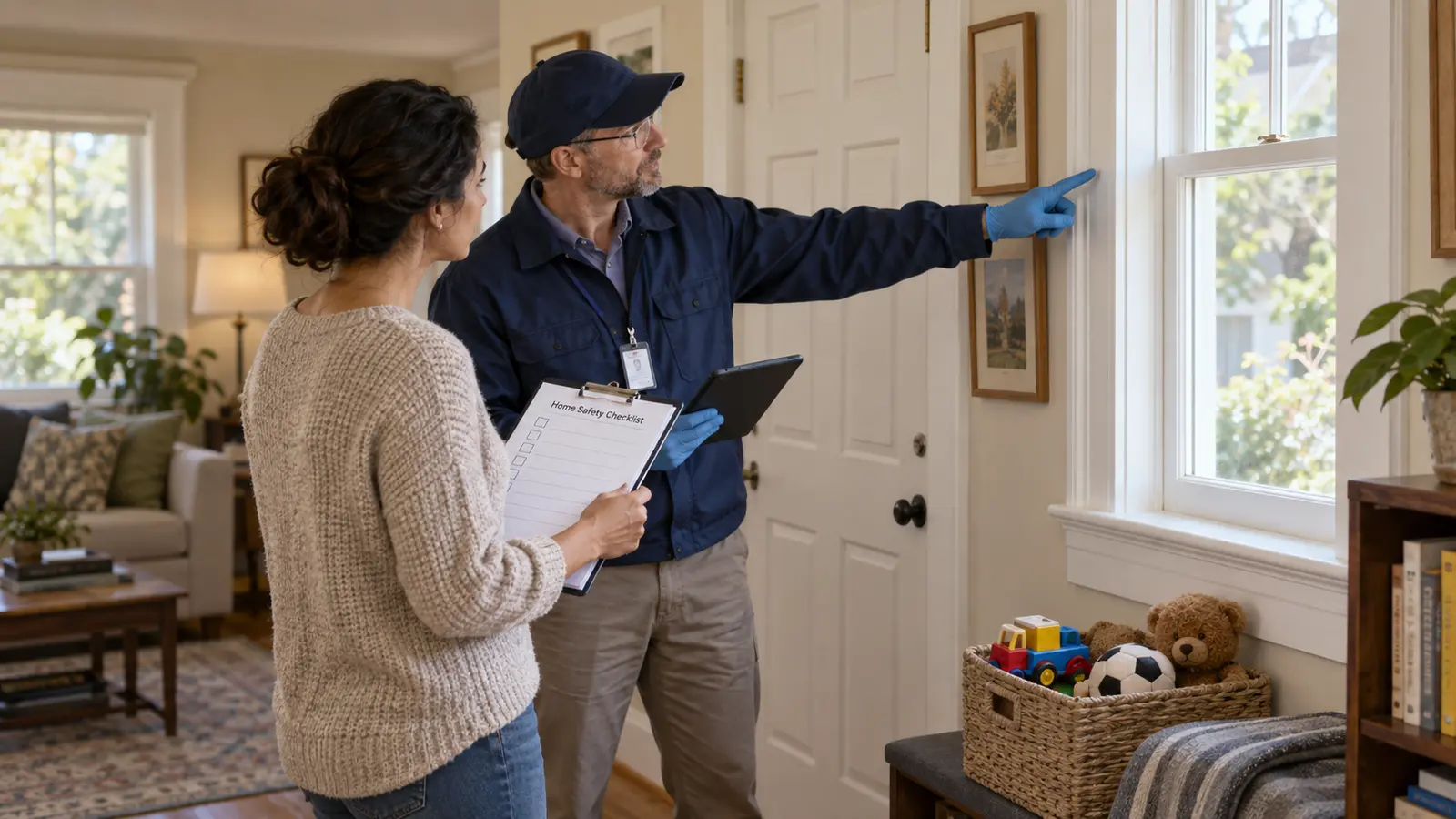
Lead exposure can come from more than one source, including deteriorating lead-based paint and contaminated dust, soil, water, some imported products, and lead carried home from certain jobs or hobbies. Prevention begins by identifying possible sources and stopping contact before exposure occurs.
The Centers for Disease Control and Prevention describes removal of lead hazards before a child is exposed as primary prevention. A home can look clean while still containing lead dust, and people with lead exposure may not have obvious symptoms. That is why safe assessment and testing matter more than guessing.
Lead-based paint was banned for residential use in the United States in 1978. Older housing is therefore an important risk clue, especially when paint is peeling, chipping, chalking, damaged by moisture, or rubbed at windows, doors, stairs, or railings. Renovation can also create dust when painted surfaces are disturbed.
Age alone does not confirm a hazard, and a newer home does not rule out every source. Ask about drinking-water plumbing, bare soil near older structures or heavily traveled roads, imported cookware or cosmetics, recalled products, and work or hobbies involving lead. A qualified local health department, housing agency, or certified lead professional can help identify the right next step.
Do not sand, scrape, burn, power-wash, or dry-sweep a surface that may contain lead-based paint. These activities can spread contaminated dust. Keep children and pregnant people away from active renovation areas, and do not rely on an ordinary household vacuum to control renovation dust.
The EPA’s updated Protect Your Family From Lead in Your Home resource advises getting a home checked for lead hazards and using lead-safe practices rather than trying to remove suspected lead paint yourself.
Inspect painted windows, doors, baseboards, porches, stairs, and other friction or impact surfaces. Report peeling or damaged paint to a landlord or property manager in writing when you rent. Address leaks and moisture because water damage can cause paint to deteriorate.
Do not cover a damaged surface with tape or a temporary coating and assume the hazard is resolved. The appropriate repair depends on the surface, condition, and local requirements.
A paint test kit cannot replace a complete risk assessment. For an older home, renovation, childcare space, or continuing concern, look for an EPA- or state-certified inspector, risk assessor, or renovation firm as appropriate. Ask what will be tested, what the report includes, and how dust will be contained and cleared.
Keep copies of results and repair records. If you rent, ask which steps the owner or manager will take and how the work area will be separated from living space.
Wash children’s hands regularly, especially before eating and after outdoor play. Clean frequently touched toys and pacifiers. Use wet methods for floors, window sills, and other horizontal surfaces rather than dry dusting or sweeping that can move dust into the air.
The EPA’s home lead-exposure guidance offers source-specific actions. Cleaning can reduce dust, but it does not remove an underlying paint, soil, plumbing, or product hazard.
Keep children from playing in bare soil near older buildings or other areas of concern until the soil is evaluated. Use a washable mat at the entrance, remove shoes, and wash hands after gardening or outdoor work. Raised beds with clean soil may reduce contact for some gardens, but site conditions vary.
Do not move questionable soil around the property or send it to another location. Ask the local health or environmental agency what sampling and disposal rules apply.
Lead in drinking water usually comes from plumbing materials rather than the water source itself. The utility’s public report cannot tell you exactly what is happening in a specific building. Ask the water provider about the service line and request guidance on certified laboratory testing when there is concern.
Use only cold tap water for drinking, cooking, and preparing infant formula, because hot water can dissolve lead more readily. Boiling does not remove lead. If a filter is recommended, confirm that the specific product is certified for lead reduction and follow replacement instructions.
Some construction, repair, manufacturing, firing-range, fishing, stained-glass, battery, or metalworking activities can involve lead. Follow workplace controls, change clothes and shoes before entering living areas when advised, shower when possible, and wash work clothing separately according to occupational guidance.
Store hobby materials, ammunition, fishing weights, glazes, and tools away from children and food-preparation areas. Do not use kitchen equipment for lead-related hobbies.
A blood lead test is the best way to find out whether a child has lead in their blood. The CDC’s testing guidance updated March 11, 2026 recommends talking with a child’s healthcare provider when exposure may have occurred or risk factors are present.
Do not wait for symptoms or try to diagnose exposure at home. Follow the healthcare professional’s instructions for testing and any follow-up. If you believe someone swallowed a lead-containing object or is acutely ill, contact emergency services or Poison Control in the United States at 1-800-222-1222.
For more plain-language prevention resources, visit UWP’s Wellness Education, Healthy Living, and Resources pages.
Prevent contact with lead sources: keep painted surfaces intact, avoid disturbing suspected lead paint, control dust with safe methods, use qualified professionals, check water and products when relevant, prevent take-home exposure, and ask about blood lead testing.
You cannot reliably tell by appearance. Building age and damaged paint are clues, but a certified inspection or risk assessment and appropriate laboratory testing provide more useful information.
Wet cleaning can reduce contaminated dust on surfaces, but it does not correct the source. Deteriorating paint, contaminated soil, plumbing, or a product hazard still needs an appropriate response.
No. Boiling does not remove lead and may concentrate it as water evaporates. Ask the water provider or health department about testing and certified filtration options.
Talk with the child’s healthcare provider if the child may have been exposed or has risk factors. A blood lead test is the best way to determine whether lead is present in the blood.
Do not begin by sanding, scraping, or demolishing a suspected surface. Improper work can spread dust. Use a certified professional and follow federal, state, and local requirements for the project.
Possible sources include contaminated soil or water, some imported cookware, spices, cosmetics, toys or remedies, and lead brought home from certain jobs or hobbies. The relevant sources differ by household.
If your home was built before 1978 or you have another reason for concern, write down the possible sources and contact your local health or housing agency before disturbing any surface.
This article provides general lead-safety education. It is not medical advice, diagnosis, treatment, environmental testing, legal advice, or a substitute for guidance from a qualified healthcare professional, public-health agency, water provider, housing authority, or certified lead professional.