
Use seven practical questions to evaluate health websites, social posts, studies, and wellness claims before trusting or sharing them.
Searching for a symptom, treatment, supplement, or wellness practice can produce thousands of results in seconds. The difficult part is not finding information. It is deciding which information deserves your trust.
The National Library of Medicine explains that reliable health information takes effort to evaluate because online material can be accurate, outdated, biased, promotional, or misleading. A polished design and confident tone are not proof of quality.
Look for an About page, named organization, editorial team, and a way to make contact. Federal health agencies, universities, medical schools, and established professional or nonprofit organizations are often useful starting points. An anonymous page should receive extra scrutiny.
Ask whether the purpose is to educate, sell a product, collect personal information, promote a viewpoint, or attract advertising clicks. Commercial involvement does not automatically make information false, but it should be clearly disclosed and considered when weighing claims.
Good pages identify the author, reviewer, or organization and explain their relevant expertise. Credentials should match the topic. A famous personality or large following is not the same as subject-matter expertise.
Look for links to original guidance, research, or recognized health institutions. Reliable articles describe evidence with appropriate limits. Be cautious when a page cites only itself, references a study without linking or naming it, or treats one person’s experience as proof for everyone.
Health guidance changes as evidence develops. Look for a publication or review date, then confirm that linked sources are still current. An older page may remain useful, but time-sensitive recommendations deserve a recent check.
Warning signs include guaranteed results, secret cures, claims that one approach works for nearly everyone, pressure to act immediately, or suggestions that all qualified professionals are hiding the truth. Trustworthy information usually acknowledges uncertainty, tradeoffs, and individual differences.
Before entering personal details, read the privacy policy and notice what the site collects. Check whether advertisements are labeled and whether sponsors may benefit from the recommendations.
The MedlinePlus guide to evaluating health information and its printable internet health information checklist cover these questions in greater detail.
A friend or creator may share information with good intentions and still be mistaken. If you cannot verify a claim, avoid passing it along as fact.
A headline often simplifies a study. Before changing a health decision, ask:
You do not need advanced scientific training to ask these questions. The goal is to recognize when a finding is preliminary or narrower than the headline suggests.
Reliable educational material can help you prepare questions and understand unfamiliar terms. It cannot account for your full medical history, medications, examination findings, or personal circumstances. Before relying on online information for a decision that may affect your health, discuss it with a qualified healthcare professional.
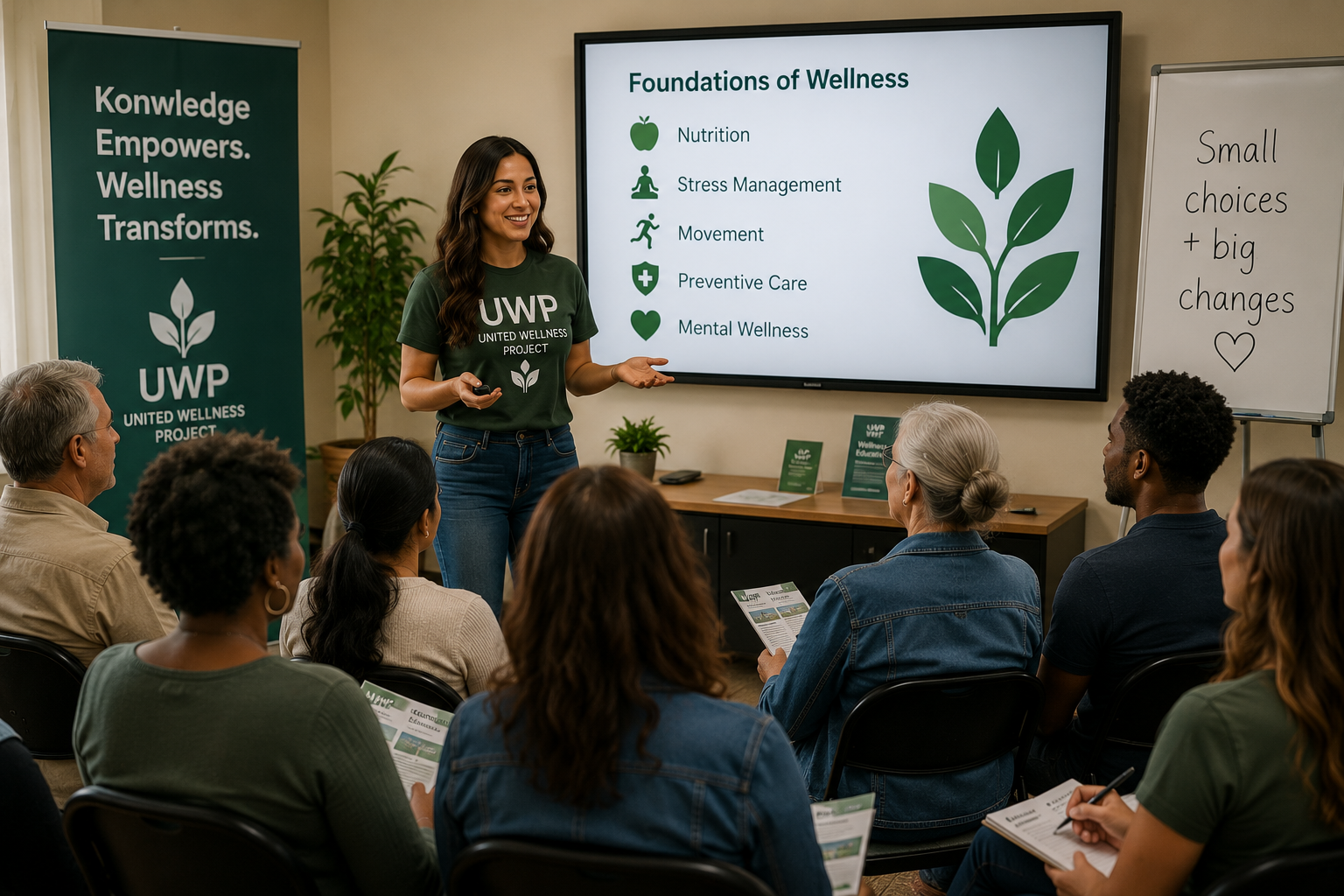
UWP’s Wellness Education program and Resources hub focus on making information easier to understand. You can also browse the Community Wellness Journal for guides that link directly to their sources.
They are often strong starting points because they identify their public purpose and evidence standards. You should still check the page date, intended audience, and whether the guidance applies to your question.
No. Anyone who meets the registrar’s requirements can use many domain endings. Evaluate the organization, evidence, funding, authorship, and review process instead of relying on the address alone.
Credentials are one useful signal, not the only one. Check whether the person’s expertise matches the topic, whether sources are provided, and whether commercial interests are disclosed.
Check their dates, the populations they address, and whether one reflects newer or more specific guidance. A qualified professional can help interpret differences that affect your care.
Use the platform’s reporting tools when available, avoid amplifying the claim, and share a reliable source without attacking the person who posted it.
Choose one health page you recently saved. Identify who runs it, when it was updated, what evidence it links to, and whether it is selling something. That short check can become a habit.
This article provides general education and is not individualized medical advice, diagnosis, or treatment.