
A practical food pantry donation list with recipient-centered choices, package and date checks, accessibility considerations, and questions to ask before giving.
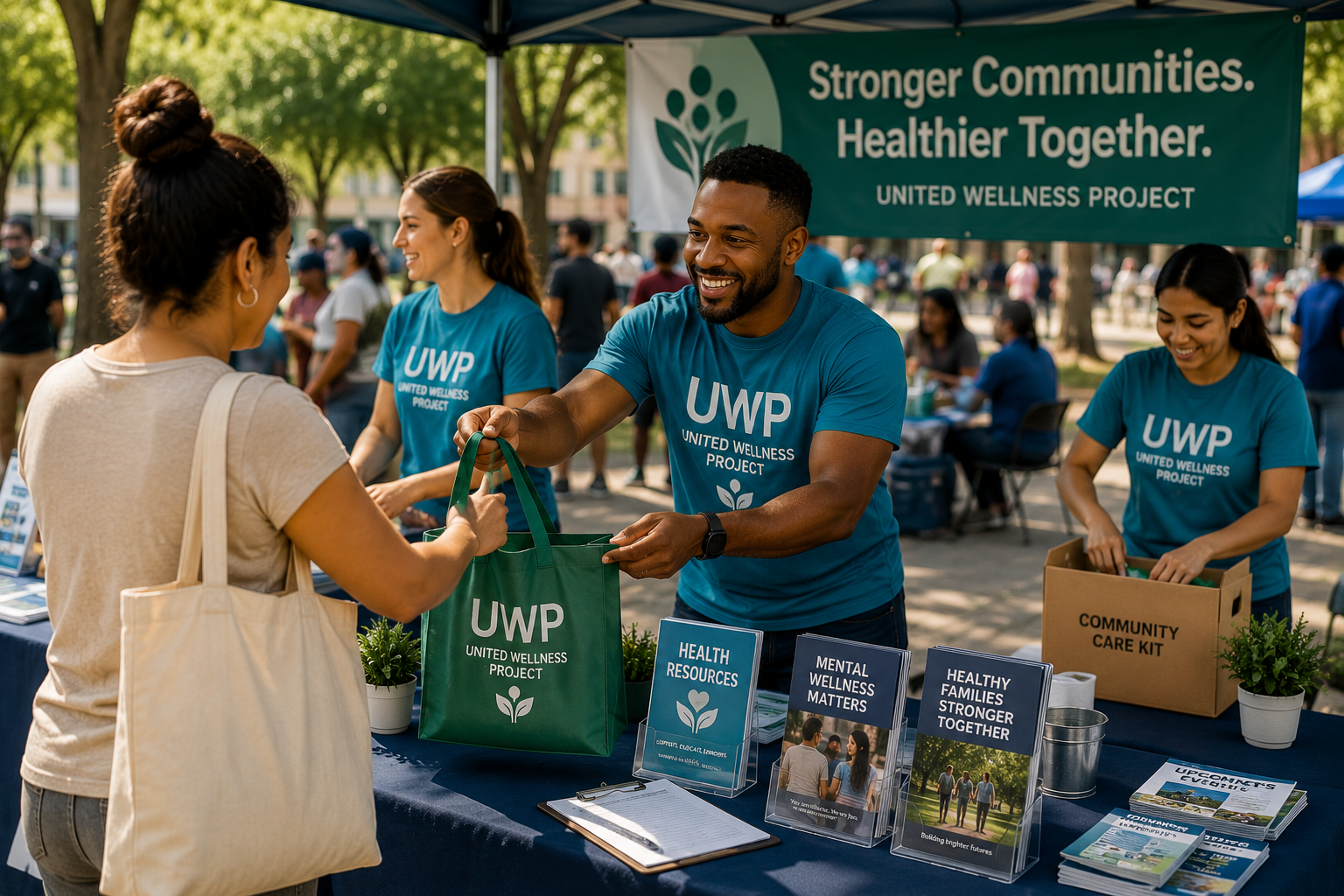
The best food pantry donation list starts with the pantry's current request list. Needs, storage space, cultural preferences, equipment, and distribution schedules differ from one organization to another. A thoughtful donor checks first, then chooses unopened items that are safe, useful, easy to store, and practical for the people receiving them.
This guide helps individuals, workplaces, schools, and community groups plan a respectful donation. It does not describe a UWP food pantry or promise that any organization will accept a particular item.
Contact the pantry or food bank directly and ask four questions:
Do not leave food outside a closed location unless the organization explicitly provides a secure drop-off process. Temperature, weather, pests, and building access can make an unattended donation unusable.
Feeding America's food-donation page advises donors to connect with a local food bank and recognizes both food and fund drives as ways groups may support food access. A pantry's own instructions should take priority over any generic online list.
When the receiving organization confirms that shelf-stable foods are welcome, these categories are often practical starting points:
Variety matters. A box full of one inexpensive ingredient may look efficient but can be hard to use without complementary foods, cooking equipment, time, or storage. Think in meal combinations: beans with rice, pasta with sauce, oats with shelf-stable fruit, or soup with crackers.
Date labels can be confusing and pantry policies vary. Some date labels describe quality rather than safety, but donors should not make case-by-case safety judgments for the receiving organization. Ask about its rules and honor them. If a product looks damaged or its storage history is uncertain, do not donate it.
Useful donations reflect how people actually prepare and eat food. Ask whether recipients may have limited kitchen equipment, limited transportation, food allergies, religious or cultural food practices, or difficulty opening heavy or rigid packages. Smaller containers can be easier to carry, while family-size packages may be useful for larger households. Neither is automatically better.
Include culturally familiar foods because they are requested, not because an organizer makes assumptions about a community. If the pantry publishes a multilingual list or nutrition preference, follow it. UWP's plain-language checklist can help groups make a collection list easier to understand.
Ask what creates the most value right now. A food bank may be able to purchase requested foods efficiently, while a neighborhood pantry may need specific shelf-stable items immediately. A monetary gift can offer flexibility, but it should go through the receiving organization's verified channel and terms. Volunteer needs also vary and may require orientation, scheduling, age limits, or accessibility planning.
The U.S. Environmental Protection Agency's Wasted Food Scale identifies donation and redistribution as preferred ways to keep wholesome surplus food serving its intended purpose. Feeding America also describes how member food banks inspect and sort rescued food before distribution in its food-rescue overview. Those systems do not mean every pantry can safely accept every type of surplus food; coordination still comes first.
If you are organizing a drive, request one current list from the receiving organization and publish that list unchanged. Set a realistic collection window, name acceptable package sizes, explain the drop-off location, and assign volunteers to check and sort items. Do not advertise a delivery date, recipient group, or partnership without the organization's approval.
UWP's recipient-first food drive checklist covers planning in more detail. The Community Outreach overview and Resources page offer broader context for community participation without implying that UWP operates a pantry.
The best items are the ones on that pantry's current list. When shelf-stable foods are requested, proteins, grains, canned fruits and vegetables, and easy-to-prepare meal components are common categories.
Policies differ, and date labels do not all mean the same thing. Ask the pantry rather than assuming. Never donate food with damaged packaging, signs of spoilage, or uncertain storage history.
Do not donate cans that are leaking, bulging, badly rusted, or deeply dented, especially around seams. When in doubt, follow the pantry's inspection rules or choose an undamaged item.
It depends on the organization's current needs and purchasing capacity. Ask whether requested food, funds through a verified donation channel, or volunteer time would be most useful.
Next step: Check a local pantry's current instructions before collecting anything. To support Unified Wellness Project's separate mission of accessible wellness education and community participation, visit Get Involved, Volunteer, or Donate.